“
Physiologically, man in the normal use of technology (or his variously extended body) is perpetually modified by it and in turn finds ever new ways of modifying his technology. Man becomes, as it were, the sex organs of the machine world, as the bee of the plant world, enabling it to fecundate and to evolve ever new forms.
— Marshall McLuhan
The technological courtship is coming to a head at last, and it has been a properly modern romance. After our initial partnership at work where we teamed up to tackle our most difficult problems, we exchanged some laughs in the break room; tripped over each other while walking hand-in-hand; learned to finish each other’s sentences; stared deeply into each other’s eyes, smiling like idiots; had a few trysts; and developed a social life in which we got a reputation for being inseparable.
Sure, there have been the occasional quarrels. Times where we needed a break from each other. Jealousy of each other’s friends or family. Miscommunications and momentary break ups. But these minor tiffs only seemed to increase the fervor of interaction when connection was restored.
We have shared the inmost depths of our minds, hearts, and lives with our technology and have seen the slightly murky and rippled reflection of ourselves returned to us. And found it utterly hypnotizing.
Now things are getting serious. Where once our tools extended ourselves, they now tend towards an ever more intimate embrace, and ultimately the full penetration of not only our psychic and social lives, but our physical selves as well.
Modern though it may be, this is not an entirely secular union. It is formed by many of the prevailing religious doctrines that have been at the foundation of much of our culture. It is written1 that the body of each spouse belongs not to themselves, but to their partner. In the same way, so long as we feel that we have some semblance of control over the forms of our gadgets, to create them in our image, then we are more than happy to give up our own bodies, including our mental patterns and behaviors, to the whims of our machines in return. This is sometimes taken to extremes, but the rise of wearable gadgets is making it a much more palatable proposition for those of us not quite ready to let it under our skin yet.
However, if we take a step back, rather than echoing the union of humanity and the Most High2, our technological titillation looks more like the Oedipal mother, seduced by that which we have borne and brought forth, and which has presumptuously displaced the true bridegroom3.
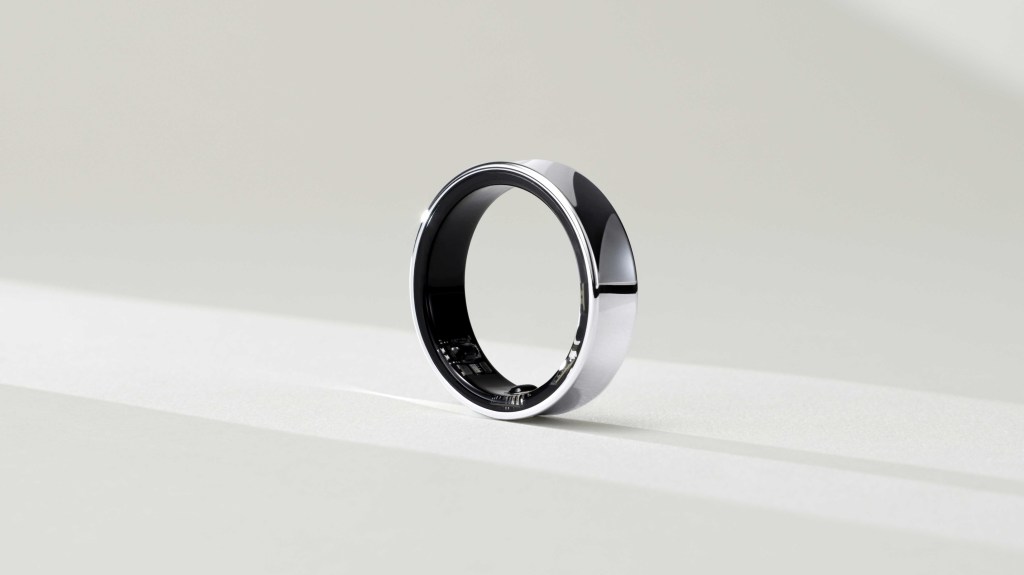
So, as we anxiously look down the aisle of the future through the veil of dim glass and finally slip on that ring which will faithfully keep a record of the wrongs of our heart in sickness and in health, let us not be surprised when our digital descendants have an uncanny family resemblance, albeit with a few odd quirks and defects.
- The wife does not have authority over her own body but yields it to her husband. In the same way, the husband does not have authority over his own body but yields it to his wife.
— 1 Corinthians 7:4 ↩︎ - “For this reason a man will leave his father and mother and be united to his wife, and the two will become one flesh.” This is a profound mystery—but I am talking about Christ and the church.
— Ephesians 5:31-32 ↩︎ - Jesus answered, “How can the guests of the bridegroom mourn while he is with them? The time will come when the bridegroom will be taken from them; then they will fast.”
— Matthew 9:15 ↩︎